
Home > Household Mold > Kitchenware Mold
Kitchenware Mold
Details
Model:
Booling-Kitchenware Mold-1
Mold Steel:
45#, P20, 718, 2738, H13, SKD11, S136, 7075AL, 6065AL, beryllium bronze, etc.
Plastic Material:
PP/PE/PC
Mold Base:
LKM, Booling standard
Origin:
China
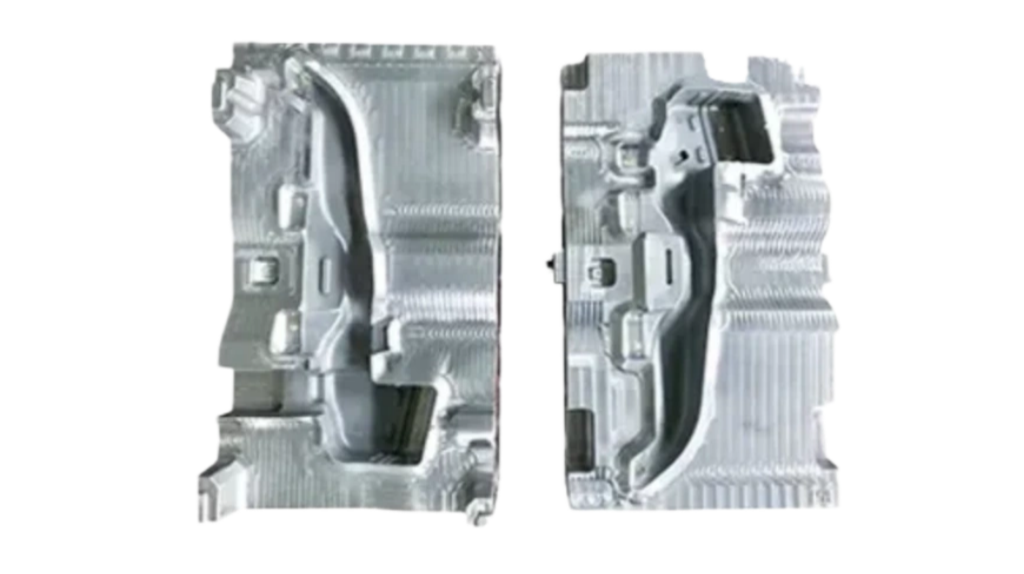
Kitchenware molds can be manufactured from a range of mold steels such as S136 and 718, paired with diverse thermoplastics and silicone materials for finished kitchenware production to meet varied end-user requirements.
Boolling applies advanced 5-axis machining technology to lower cutting tool wear during machining and enable flexible turning operations for superior dimensional precision. Leveraging this technology, we have delivered turnkey mold solutions to kitchenware manufacturers across Angola, Russia, the United Kingdom, Japan, Argentina and numerous other nations.
Application:
- Kitchenware
- Injection Molding
Related Hot Products
Technical Parameters Of Kitchenware Mold
There are various types of kitchenware molds. Booling can realize the rapid processing of multiple surfaces or complex shapes of molds. It has a strict quality control system and realizes continuous optimization of parameters.
| Model | Booling-Kitchenware Mold-1 |
|---|---|
| Number of cavities | 1 or multi-cavity |
| Process type | Injection molding, blow molding |
| Steel hardness | HRC28-HRC60 |
| Mold heat treatment | Vacuum quenching, tempering, nitriding, etc. |
| Mold life | 500,000-2,000,000 times |
| Mold size | Depends on kitchenware design and injection/blow machine |
| Mold weight | Depends on kitchenware design and injection/blow machine |
| T1 | 30-60 days |
| Processing method | Grinding machine, drilling machine, CNC, EDM, high-speed finishing, deep hole drilling, wire cutting, etc. |
| Design software | AutoCAD, UG, Moldflow |
| Injection runner | Cold runner/hot runner |
| Injection gate | Direct gate, point gate, latent gate, fan gate, bull-horn gate, etc. |
| Sample quantity | 3-5 pieces |
| Achievable surface roughness | 0.8μm |
| Dimensional accuracy | ±0.02mm |
| Quotation method | Send samples, send sample pictures with dimensions, kitchenware 3D drawings. |
| Mold packaging | Wooden box |
| Mold accessories | Free |
| MOQ | 1 piece |
| Ejection method | Ejector, stripper, etc. (using hydraulic, cylinder, air valve, etc.) |
| Price Term | FOB, CIF |
Available Kitchenware Mold Categories
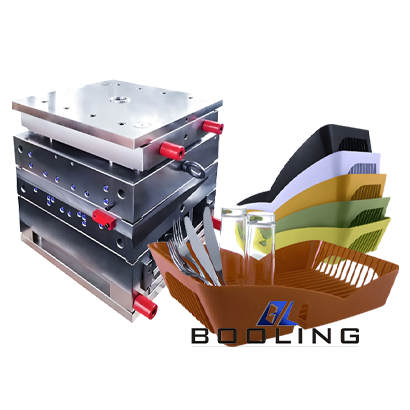
Cookware Molds
Molds for plastic housings of kitchen appliances including air fryers, microwave ovens and ovens.
Tableware Molds
Molds for daily cutlery such as knives, forks, spoons and drinking cups.
Cutlery Molds
Molds dedicated to plastic knife handles.
Baking Tool Molds
Mass-production molds for cake pans, cookie molds and ice cube trays.
Quality Checks Before Shipment
1.Project Evaluation And DFM Analysis
We review customers’ component drawings and carry out DFM (Design for Manufacturability) analysis to confirm mold construction, cavity quantity and mold steel specifications.
2.Mold Design
Booling engineers generate 2D assembly drawings and 3D mold models with professional CAD/CAM software. Drawings require customer approval prior to machining to confirm proceeding with subsequent procedures per client’s requirements.
3. Raw Material Preparation
Source required raw materials including mold steels such as S136 and 718, then perform rough machining for mold bases and mold inserts.
4. Precision CNC And 5-Axis Machining
Adopt five-axis machining for finish milling, turning and contour machining of mold core and cavity to ensure outstanding machining precision.
5. EDM And Wire Cut Machining
EDM is used to machine intricate micro features that cannot be processed by conventional CNC.
6.Surface Treatment And Polishing
Implement polishing, nitriding or customized surface finishing treatments as required.
7. Mold Assembly And Fitting
Complete full mold assembly on injection molding machines; assemble all mold components and install ejection systems, cooling circuits and guide assemblies.
8. Injection Mold Trial And Modification
Mount the mold onto an injection machine for trial molding. Inspect dimensional tolerance and surface finish of molded samples. Modify mold structures against defects until approved samples are obtained to customer satisfaction.
9. Final Inspection And Delivery
Conduct full dimensional inspection with CMM (Coordinate Measuring Machine) against engineering drawings. After dimension verification, arrange packaging and shipment.
Material Selection And Application
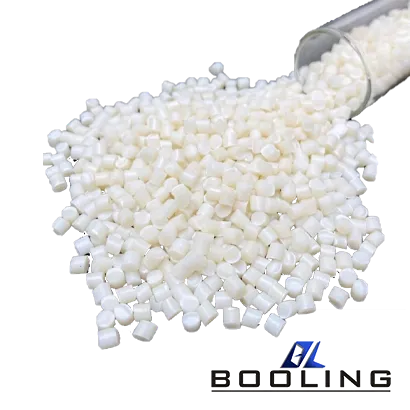
718
Molds for food containers, measuring jugs, knife handles and similar kitchenware.
S136
Molds for cake molds, ice trays and silicone kitchen utensils.
P20
Molds for kitchen appliance housings.
LSR
Silicone kitchenware, ice trays and related products.
ABS
Kitchen tool handles and kitchenware housings
PP
Plastic cups, squeeze sauce bottles and other finished products.
FAQ for Kitchenware Mold
Booling can provide the most common problems in the purchase of the kitchenware mold. Users can learn more about the molds through the FAQs, or contact our engineers for one-on-one communication.
Types of Kitchenware Mold
Booling provides the design and processing of various kitchenware molds, such as pots, tableware, knives, baking tools, etc., to meet the needs of different manufacturers and users.
- Pots: Especially the plastic shells of kitchenware such as air fryers, microwave ovens, ovens, etc., can be quickly and accurately formed using molds to achieve mass production
- Tableware: Common pots, pans, cups, and other tableware can be quickly formed using molds to produce products of different colors, sizes, and shapes to meet aesthetic and safety requirements. Surface customization such as patterns and imitation ceramic gloss can also be performed to meet special needs
- Knives: The handles of plastic knives produced by molds are ergonomic, highly comfortable to hold, and meet food safety requirements
- Baking Tools: Tools such as cakes, cookie models, ice trays, etc. can be produced using liquid silicone injection molding technology (i.e. LSR injection molding technology) for silicone molds, which are food safety and diversity
Processing of Kitchenware Mold
Kitchenware molds are diverse and complex to process. Booling provides one-stop customization services from design to packaging and shipment to meet the needs of fast delivery.
- Analyze the type, function, and plastic materials used in the product to determine the design direction of the mold. Use UG and other software to create accurate 3D models and generate programs for CNC machining
- Order mold frames, steel, standard parts, etc. for molds
- Use tools such as milling cutters to perform rough machining on the mold to obtain the approximate shape of the core and cavity, providing a good foundation for fine machining
- Perform heat treatment processes such as tempering and quenching to improve the hardness and toughness of the mold and extend its service life
- Use CNC machine tools for milling and fine machining to achieve the manufacture of complex surfaces and details, and obtain good surface quality and machining accuracy
- For some cemented carbides with complex shapes such as deep holes and narrow grooves, we will use EDM technology to adjust and optimize details to further improve machining accuracy
- Booling provides assembly and mold trial services. During the assembly process, use three-coordinate measuring instruments, micrometers, and other equipment to verify the size and accuracy to ensure the matching accuracy between the parts. The mold is assembled on the injection molding machine, and the processing cycle is carried out to inspect the quality of the product to ensure that all parameters meet the requirements